
Nerve and Blood Vessel Disease
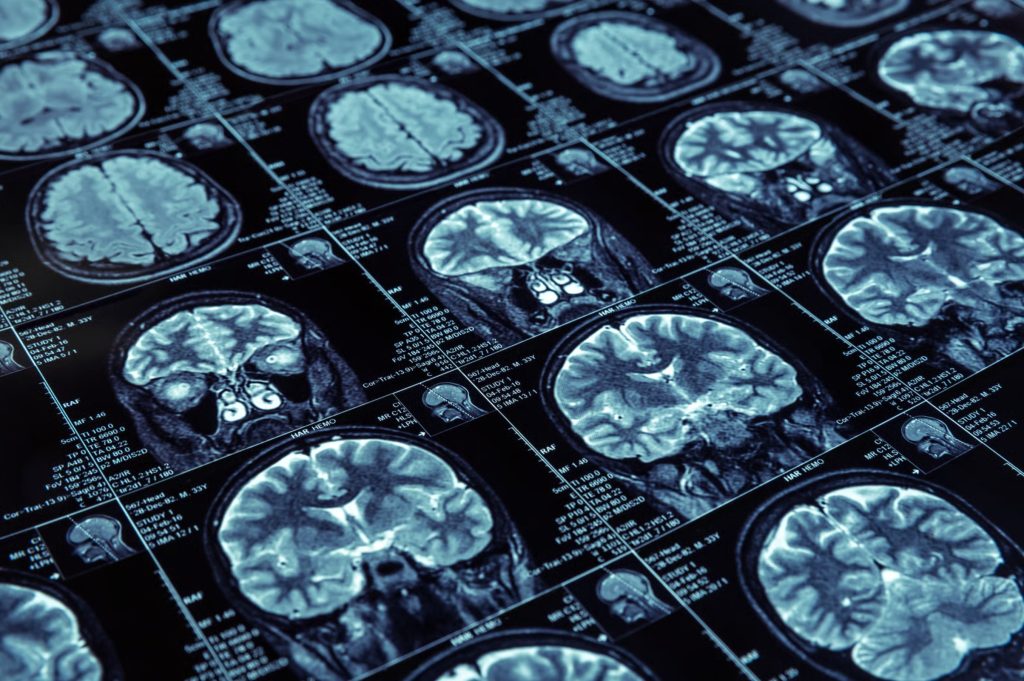
Understanding Neurovascular and CSF Conditions
The brain and spinal cord depend on a complex network of blood vessels and a carefully balanced system of cerebrospinal fluid (CSF) to function properly. When these systems are disrupted — whether by abnormal blood vessels, blocked fluid pathways, or other structural problems — the consequences can be serious and sometimes life-threatening.
Dr Radebe manages a range of conditions affecting the blood vessels and fluid dynamics of the nervous system, including hydrocephalus, brain aneurysms, and vascular malformations.
Conditions
Hydrocephalus
Hydrocephalus occurs when cerebrospinal fluid (CSF) accumulates in the ventricles of the brain, increasing pressure inside the skull. It can be caused by blockages in the fluid pathways, impaired absorption, or overproduction of CSF. Hydrocephalus can occur at any age, from newborns to the elderly.
- Symptoms may include headache, nausea, visual disturbances, cognitive decline, and difficulty walking.
- In infants, an enlarging head circumference may be the first sign.
Brain Aneurysms
An aneurysm is a weakened, balloon-like bulge in the wall of a blood vessel in the brain. If it ruptures, it causes a subarachnoid haemorrhage — a type of stroke that is a medical emergency. Unruptured aneurysms are sometimes found incidentally and may require monitoring or intervention.
Vascular Malformations
These are abnormal tangles or connections between arteries and veins in the brain or spinal cord. They can cause bleeding, seizures, or progressive neurological problems.
Treatment Options
- VP Shunt (Ventriculoperitoneal Shunt) — the most common surgical treatment for hydrocephalus. A thin tube is implanted to drain excess cerebrospinal fluid from the ventricles of the brain to the abdominal cavity, where it is naturally absorbed by the body. The shunt contains a valve to regulate flow.
- EVD (External Ventricular Drain) — a temporary external drain used to manage acute hydrocephalus or raised intracranial pressure, often as a bridge to more definitive treatment.
- Craniotomy — open surgery to clip a brain aneurysm (placing a tiny metal clip across the neck of the aneurysm to prevent rupture), remove a vascular malformation, or evacuate blood following a haemorrhage.
All Treatments
Meet your Neurosurgeon
FAQ
What is hydrocephalus?
Hydrocephalus is a condition where excess cerebrospinal fluid builds up in the brain, increasing pressure. It can be congenital (present from birth) or develop later in life due to infection, bleeding, tumour, or other causes. Treatment typically involves surgical drainage, most commonly with a VP shunt.
Is a VP shunt permanent?
In most cases, yes. A VP shunt is designed to remain in place long-term. It may need to be adjusted or replaced over time if it becomes blocked or infected, but for many patients it provides effective, ongoing management of hydrocephalus.
What are the symptoms of a brain aneurysm?
Many unruptured aneurysms cause no symptoms and are found incidentally on imaging. A ruptured aneurysm typically causes a sudden, severe headache — often described as the worst headache of your life — along with neck stiffness, nausea, vomiting, and sometimes loss of consciousness. This is a medical emergency.
Can vascular malformations be cured?
In many cases, vascular malformations can be treated successfully with surgery, endovascular techniques, or a combination of both. The best approach depends on the type, size, and location of the malformation. Dr Radebe will discuss the options specific to your condition.
What happens if hydrocephalus is not treated?
Untreated hydrocephalus can lead to progressive neurological decline, including severe headaches, visual loss, cognitive impairment, difficulty walking, and in severe cases, life-threatening brain compression. Early diagnosis and treatment are important to prevent permanent damage.
- Appointment